



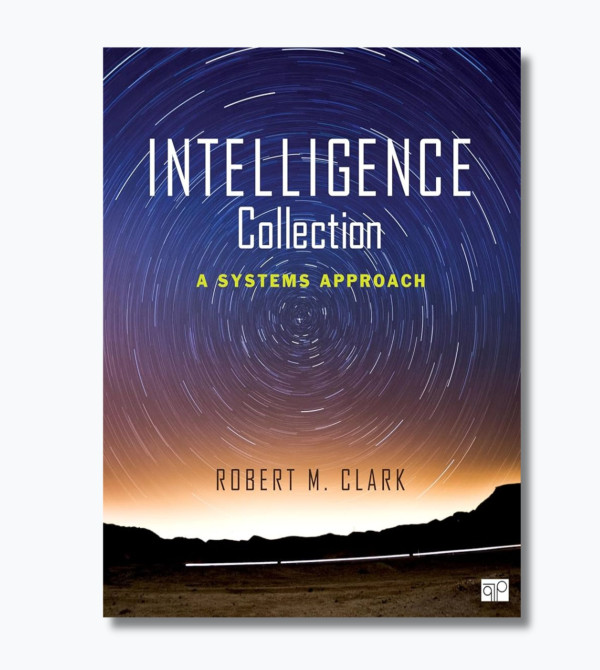

Intelligence Collection by Robert M. Clark―one of the foremost authorities in the field―offers systematic and analytic coverage of the "how and why" of intelligence collection across its three major stages: the front end (planning), collection, and the back end (processing, exploitation, and dissemination). The book provides a fresh, logical, and easily understandable view of complex collection systems used worldwide. Its ground-breaking organizational...
Intelligence Collection by Robert M. Clark―one of the foremost authorities in the field―offers systematic and analytic coverage of the "how and why" of intelligence collection across its three major stages: the front end (planning), collection, and the back end (processing, exploitation, and dissemination). The book provides a fresh, logical, and easily understandable view of complex collection systems used worldwide. Its ground-breaking organizational approach facilitates understanding and cross-INT collaboration, highlighting the similarities and differences among the collection INTs. Part one explains how the literal INTs such as communications intelligence and cyber collection work. Part two focuses on nonliteral INTs including imagery, electronic intelligence, and MASINT. All chapters use a common format based on systems analysis methodology, detailing function, process, and structure of the collection disciplines. Examples throughout the book highlight topics as diverse as battlespace situational awareness, terrorism, weapons proliferation, criminal networks, treaty monitoring, and identity intelligence.
Welcome to Tanto Cyber - Cybersecurity & IT Solutions! 🚀
To access all the features and facilities we provide, please log in first using your account.
By using TantoCyber.com, you agree to comply with the applicable rules for the safety and convenience of everyone.
Thank you for being part of our community! 🔒✨
Tanto Cyber: A platform sharing free eBooks & tech insights, focusing on cybersecurity and knowledge.