







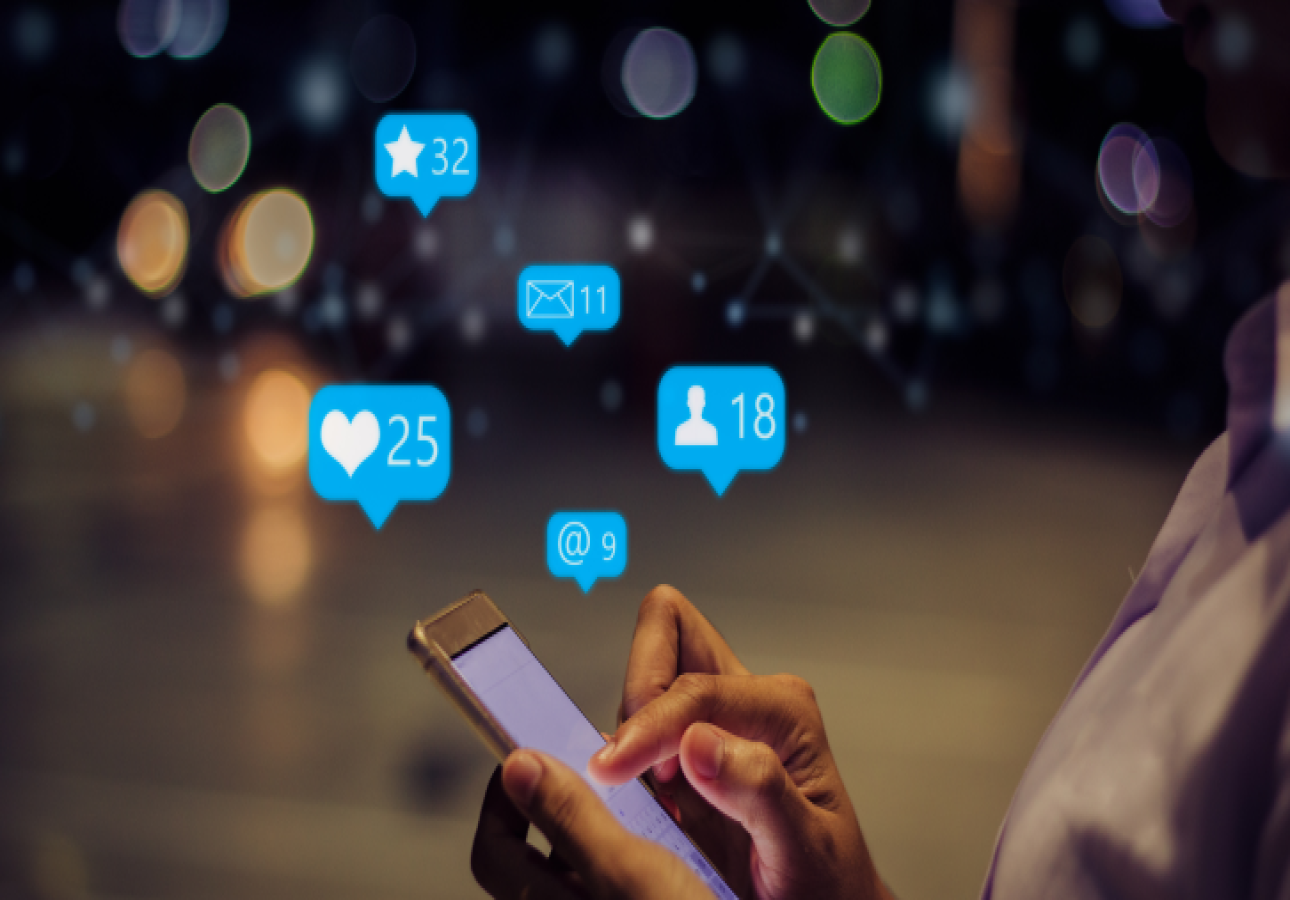
Social media has revolutionized how we communicate, share information, and interact with the world. From Facebook to Twitter, Instagram to TikTok, social media platforms have become integral to our lives, connecting us with friends, family, and colleagues worldwide. However, as with any technology, there are risks associated with social media use. In this post, we'll explore some of the most common social media risks and how to protect yourself.
The first step in staying safe on social media is understanding the risks. There are various types of risks that exist on social media platforms, including:
Privacy Breaches
One of the biggest risks associated with social media use is the risk of privacy breaches. Social media platforms collect a lot of personal information about their users, including their names, addresses, phone numbers, email addresses, and more. This information can be used to target users with ads or sold to third parties.
Sometimes, this data can be leaked or hacked, leading to identity theft or other negative outcomes. It's important to be cautious about the information you share on social media. Avoid sharing sensitive data like your home address, phone number, or financial information. Also, review and adjust your privacy settings to control who can see your posts and personal information. Most social media platforms offer privacy settings that allow you to limit the information that is visible to others.
Cyberbullying
Another risk associated with social media use is cyber bullying. Social media platforms can be a breeding ground for harassment and bullying, with users facing online abuse and even threats of physical harm. Cyberbullying can be particularly damaging because it can be hard to escape.
Messages and posts can be shared widely, making it difficult to control the spread of harmful content. To protect yourself from cyberbullying, it's important to be mindful of what you post on social media. Avoid sharing controversial opinions or engaging in arguments online. If you encounter harassment or abuse, report it to the social media platform's support team. Most social networks have policies in place to deal with these issues, and they take them very seriously.
Malware
A third risk associated with social media use is malware. Cybercriminals may use social media to spread malware, including viruses and ransomware, which can infect your device and steal your data. Malware can be particularly dangerous because it can be hard to detect.
Cybercriminals often use social engineering techniques to trick users into clicking on links or downloading files that contain malware. Be cautious about clicking on links or downloading files from unknown sources. If you receive a message or post that looks suspicious, don't click on it. Instead, report it to the social media platform's support team. Also, ensure your device has up-to-date antivirus software installed to protect you from malware attacks.
Phishing
Phishing is a type of social engineering attack where cybercriminals try to trick users into giving up sensitive information, such as their usernames and passwords.
Phishing attacks often take the form of emails or messages that appear to be from a legitimate source, such as a social media platform or a bank. They may ask you to click on a link or enter your login credentials to verify your account. To protect yourself from phishing attacks, it's important to be cautious about clicking on links or entering your login credentials on social media platforms.
Always double-check the message's source or post to ensure it's legitimate. If you need clarification, contact the social media platform's support team to verify the message's authenticity.
To protect yourself from these risks, you can take some simple steps. Here are some tips for staying safe on social media:
In addition to these tips, you should follow some best practices to stay safe on social media. Here are some examples:
In conclusion, social media can be a great tool for connecting with others, but it's important to stay safe while using these platforms. Following the tips and best practices outlined in this post, you can protect yourself from privacy breaches, cyberbullying, and malware. Remember to choose strong and unique passwords, use two-factor authentication, review and adjust your privacy settings, be cautious about sharing personal information online, and avoid clicking on suspicious links or downloading unknown files. By practicing good social media safety habits, you can enjoy all the benefits of social media without putting yourself at risk.
If you want to leave a comment, please log in first.




Comments