







How we talk to each other, share information, and do business has changed a lot because of how the internet has changed. With the rise of Web3, we're entering a new era that will bring even more big changes. At the center of this change is the idea of data ownership and privacy, which gives people more power than ever before. In this blog post, we'll learn more about Web3. We'll look at how it changes data ownership and privacy, as well as how it gives people more power in the digital world.
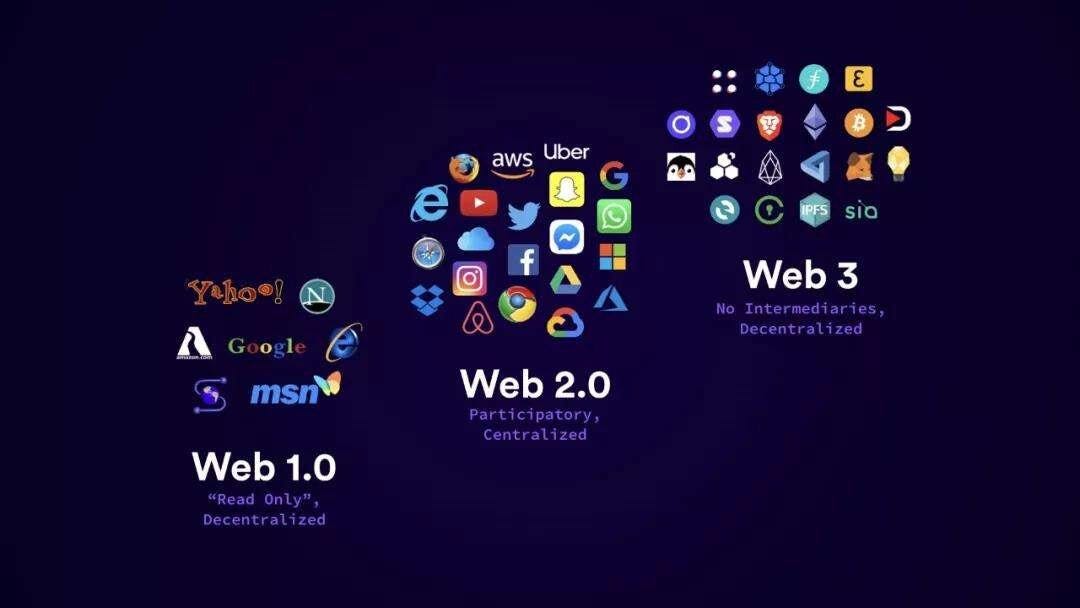
When Web3 Began
Web3, which is often called the "decentralized web," is better than Web2 in several important ways. Web2 put ownership and control of data in the hands of a few large corporations. Web3 wants to spread this control across a network of users, making the Internet a more democratic and open place.
Giving users power by letting them own their data
In Web3, data ownership is no longer a vague idea held by platforms. Instead, it is a real thing that users can take control of. With blockchain technology, people can own and control their own personal information. This gives people the power to choose how their data is used, who can access it, and even if they want to sell it. This change from platforms owning users' data to users owning their own data is a big step toward giving users more power.
Through decentralization, privacy is improved.
People often blame centralized platforms for not having strong privacy measures, which can lead to data leaks and unauthorized access. Web3 gets around this problem by using decentralization, which means that data is kept on a network of nodes instead of on a single server. This lowers the chance of large-scale data leaks and gives users more control over who can see their information. Also, technologies like "zero-knowledge proofs" and "decentralized identity systems" make it easier for users to connect without giving away too much personal information.
Identity That Is Its Own
Web3 presents the idea of self-sovereign identity, which means that people have full control over their digital identities. Traditional online identities are often spread out over many different platforms, which makes it hard for users to keep track of and protect their personal information. With self-sovereign identity, users can control their identity across different services without relying on a central authority. This makes digital identity management safer and easier.
Making money off of user data
One of the most innovative things about Web3 is that users might be able to sell their own info. In the current Web2 environment, platforms make money off of user info without paying them enough. Web3 adds ways for users to directly gain from sharing their data with advertisers, researchers, and other parties. This change not only shows people that they own their data, but it also gives them a new way to make money.
Problems and Things to Think About
Even though Web3's claims are exciting, there are still problems that need to be solved. Because Web3 is not controlled, it can be hard to regulate and run. It is very important to make sure data is correct, stop abuse, and keep the security of decentralized systems. Also, the learning curve for new tools and the fact that they could be used in bad ways show how important education and responsible growth are.
Web3 changes the way we engage with the digital world as a whole. By making data ownership and privacy a top priority, Web3 gives users the power to take charge of their online profile, decide how their data is used, and even make money from it. As we move through this changing environment, it will be important for technologists, policymakers, and users to work together to make the most of Web3 and deal with its problems. The journey toward a digital future that is decentralized and gives people more power has just started, and it's a very exciting one.
If you want to leave a comment, please log in first.





Comments