




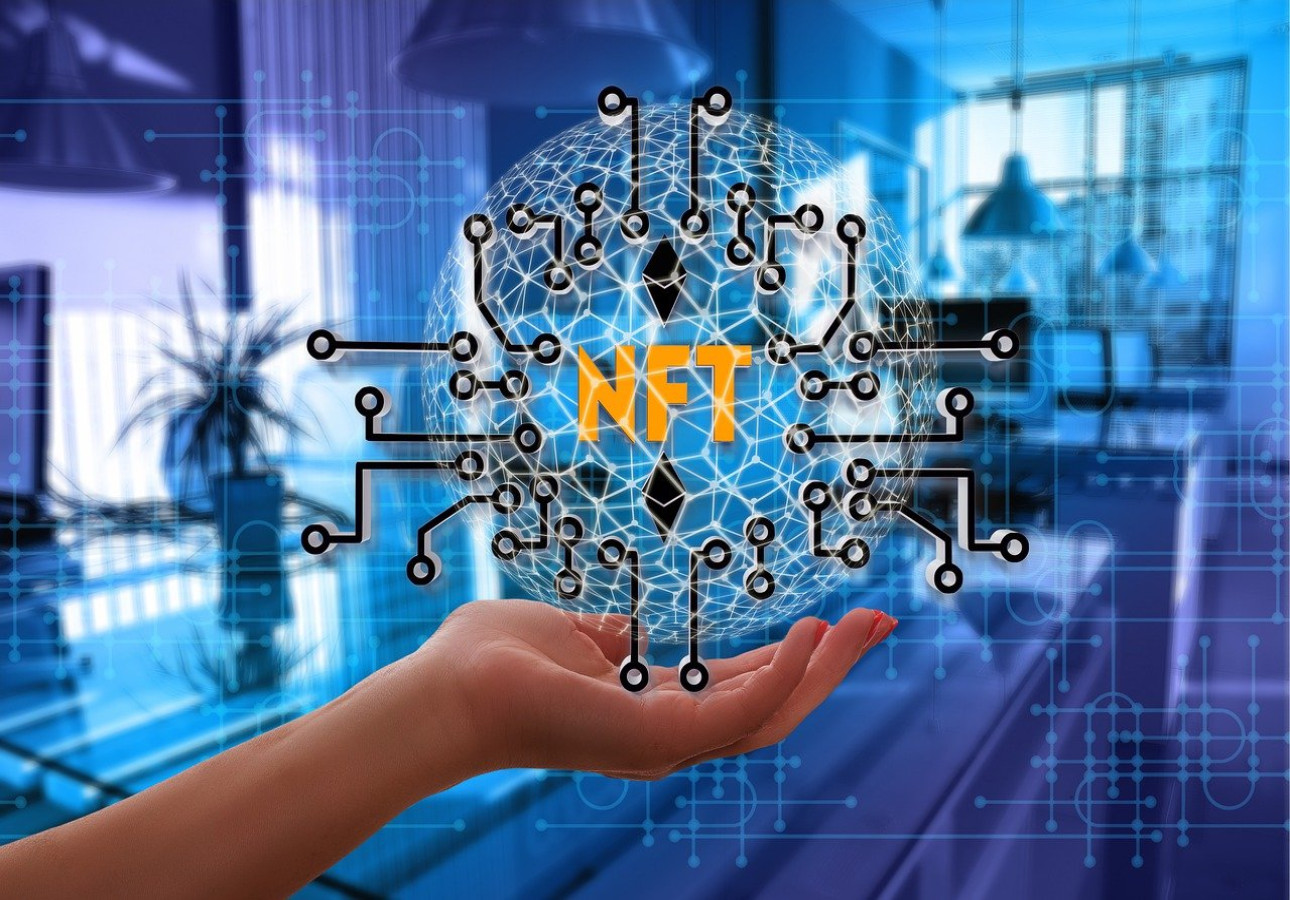
Blockchain technology has revolutionized the creation and trading of unique digital assets. These assets are often referred to as "non-fungible tokens" (NFTs).
Here's how blockchain is used in this context:
Digital Ownership and Provenance: Blockchain provides a transparent and immutable ledger where ownership and transaction history of NFTs can be recorded. Each NFT has a unique identifier that is stored on the blockchain, making it easy to verify the authenticity and provenance of a digital asset.
Scarcity and Rarity: NFTs can represent ownership of a specific digital item, whether it's digital art, music, virtual real estate, or collectibles. Blockchain allows creators to limit the number of NFTs representing a particular item, creating artificial scarcity and rarity, which can drive up the value of these assets.
Smart Contracts: Smart contracts on blockchain platforms like Ethereum are often used to automate the process of creating, selling, and transferring NFTs. These contracts can define rules for royalties, ownership transfers, and other conditions, ensuring that creators receive a share of the proceeds when their NFTs are resold.
Interoperability: NFTs are not limited to a single platform or ecosystem. They can be bought, sold, and traded across different blockchain networks, thanks to standards like ERC-721 and ERC-1155 on Ethereum. This interoperability widens the market for NFTs.
Digital Collectibles: NFTs have become popular in the world of digital collectibles, allowing users to own and trade unique virtual items within video games or virtual worlds. These items can range from virtual skins and characters to in-game real estate.
Art and Entertainment: NFTs have gained significant attention in the art and entertainment industries. Artists and musicians can tokenize their work, selling it directly to collectors without the need for intermediaries. This has the potential to disrupt traditional art markets.
Gaming: NFTs are being used in gaming to represent in-game assets like skins, weapons, and characters. Players can buy, sell, and trade these assets both within and outside the game, potentially creating new economies around virtual items.
Authentication and Provenance: NFTs provide a secure way to prove the authenticity of digital assets. Artists and content creators can digitally sign their work, ensuring that buyers are getting genuine and authorized versions.
Decentralization: NFTs are typically stored on decentralized blockchain networks, reducing the risk of a single point of failure or control. This decentralization enhances security and trust in the system.
In summary, blockchain technology has enabled the creation and trading of unique digital assets, opening up new opportunities for artists, creators, gamers, and collectors while introducing novel challenges and considerations.
If you want to leave a comment, please log in first.




Comments